What Is Complex Trauma? Signs You May Be Living With It Without Realizing
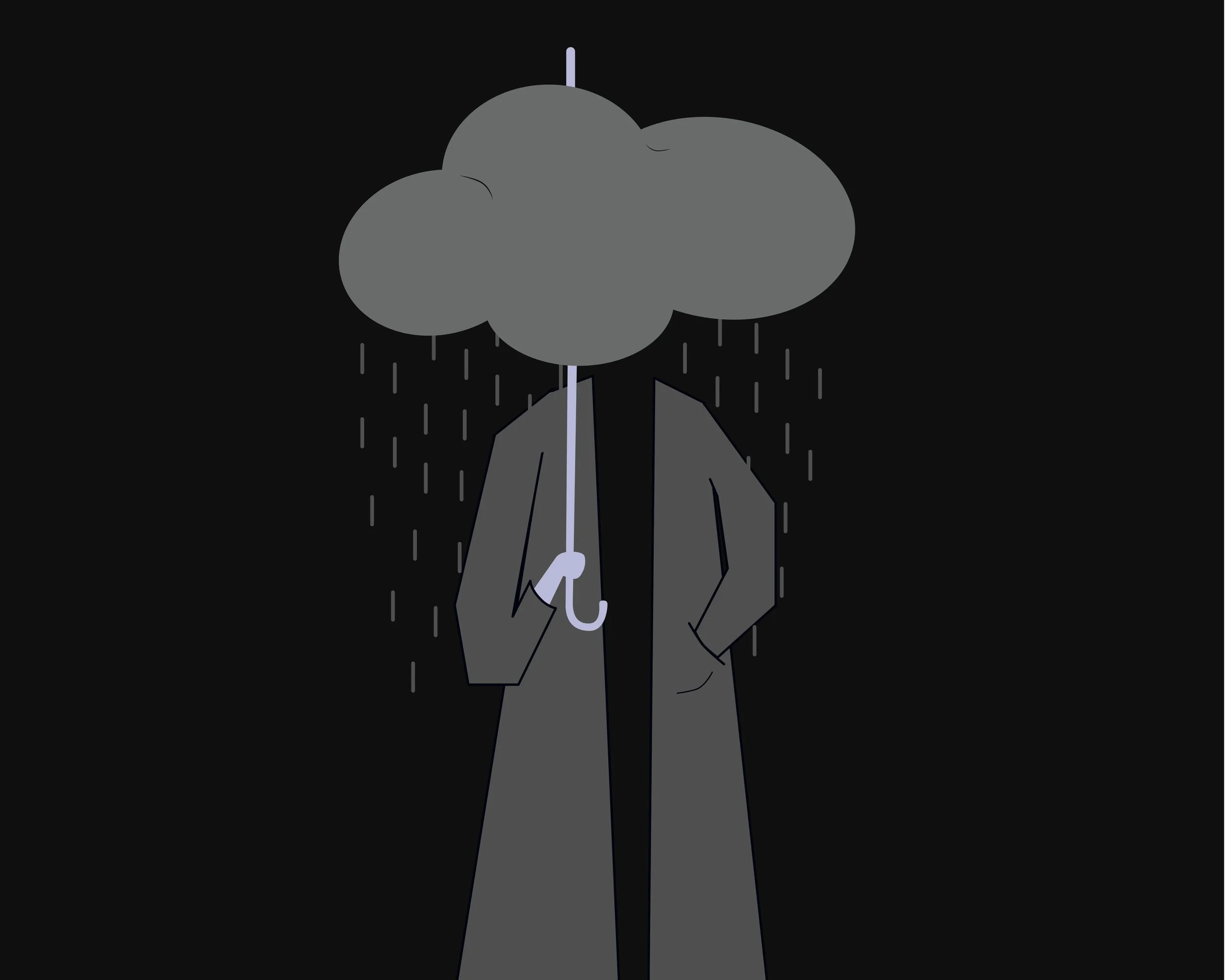
Do you feel weighed down by your negative childhood experiences–even if they don’t seem as bad as what others have experienced?
Do you feel constantly on edge, struggle with relationships, or experience deep feelings of shame or unworthiness? Do you struggle to let go of negative beliefs about yourself that you know aren’t true but still can’t help but believe? If so, you may be experiencing the effects of complex trauma. Many people live with the impact of complex trauma without realizing it, assuming their struggles are just “who they are” rather than an ongoing response to past experiences.
What Is Complex Trauma?
Complex trauma, also known as Complex PTSD (C-PTSD), develops from prolonged or repeated exposure to distressing experiences, often but not always starting in childhood. Unlike a single traumatic event, complex trauma is the result of ongoing emotional, physical, or psychological harm—such as neglect, abuse, or chronic instability. Over time, these experiences shape how a person views themselves, others, and the world.
In this blog, I’m sharing common signs & symptoms associated with the cumulative effects of complex trauma.

Hi, I’m Amanda Parmley, MA, LCMHC
I am a counselor in Carolina Beach, NC, and I specialize in helping adults improve self-esteem, decrease anxiety, and move past trauma. I provide EMDR therapy to help clients process the deep-rooted beliefs and experiences that keep them stuck in cycles of stress, self-doubt, and anxiety.
Click the button below to begin your journey toward confidence and emotional freedom.
Signs You May Be Living With Complex Trauma
Many people with complex trauma don’t recognize it as trauma. Instead, they may attribute their struggles to personality traits, anxiety, or depression.
Common Signs of Complex Trauma:
Feeling emotionally overwhelmed – Small stressors may feel unbearable or trigger intense reactions.
Chronic self-doubt and shame – A persistent feeling of “not being good enough” or an internal critic that won’t quiet down, no matter how many times you challenge it.
People-pleasing or extreme independence – Struggling with setting boundaries, over-explaining, or feeling uncomfortable asking for help.
Emotional numbness or detachment – Feeling disconnected from yourself, others, or even your own emotions.
Difficulty trusting others – Always waiting for the other shoe to drop, assuming people will hurt or abandon you.
How Complex Trauma Affects Daily Life
Because complex trauma often starts early in life, it can feel like an invisible weight, shaping your thoughts, behaviors, and relationships. You may struggle with:
Anxiety and overthinking
Impostor syndrome
Relationship struggles (fear of intimacy, avoiding conflict, or attracting unhealthy dynamics)
Perfectionism and burnout
A sense of emptiness or feeling “stuck”
Many people don’t connect these patterns to painful past experiences, instead blaming themselves for not “having it together.” However, these challenges often stem from profoundly ingrained survival mechanisms developed to cope with past pain.
Healing From Complex Trauma With EMDR Therapy
The good news is that complex trauma is treatable. One highly effective approach is Eye Movement Desensitization and Reprocessing (EMDR) therapy. EMDR helps process distressing memories so they no longer hold the same emotional charge. This evidence-based therapy is beneficial for those who feel stuck in cycles of fear, shame, or self-doubt.
Through EMDR, many people experience relief from past pain, greater self-compassion, and an improved ability to navigate relationships and daily stressors. Healing is possible, and you don’t have to do it alone.
Final Thoughts
If you recognize yourself in these signs, know that you are not broken. Your struggles make sense in the context of your experiences, and healing is possible. Working with a trauma-informed therapist—especially one trained in EMDR—can help you move toward a life where you feel more grounded, confident, and free.
Interested in learning more? Schedule your free consultation below:

How to Start Therapy with Amanda Parmley, MA, LCMHC:
1. Click the button below to request a free 15-minute consultation.
2.
Complete a short intake questionnaire.
3. Complete
the required screener
& take the phone call from Amanda Parmley at the prearranged & agreed-upon time.
4. Start your journey
to feeling better.
Additional Services Offered by Amanda Parmley, MA, LCMHC:
I specialize in working with clients experiencing anxiety, past trauma and perfectionism, specifically through the use of EMDR. Experiencing chronic insomnia? I also provide CBT-I.
Online Counseling
Are you interested in counseling but live too far to commute to the session? If you are located within the state of North Carolina & are interested in online counseling, reach out today to discuss whether this is the right option for you.
For Kentucky Residents
I am currently in network with Aetna insurance. If you’re looking for private-pay therapy in Kentucky, you’ll have the freedom to go deeper without the limitations of insurance. We’ll create a plan that fits your goals, your pace, and your life not just a diagnosis code.
For North Carolina Clients
If you’re located in North Carolina, I’m in-network with select insurance plans. Therapy can help you reduce anxiety, improve sleep, and feel more emotionally balanced as you adjust to whatever life brings next.