When You’re Always “Fine”: Anxiety, Emotional Exhaustion, and Therapy for People Who Hold It All Together

You may be the person other people describe as dependable, thoughtful, organized, capable, or “so strong.” You get things done. You show up. You answer the messages. You make the appointments. You remember the details. You keep going, even when you feel completely drained.
And when someone asks how you are, you may automatically say, “I’m fine.”
But fine does not always mean peaceful. “Fine” may mean you are functioning. It may mean you have learned how to keep moving while feeling tense, overwhelmed, disconnected, or emotionally exhausted underneath the surface. For many people, “fine” is the word they use when “I’m burned out” feels too vulnerable to say.
For many high-functioning adults, anxiety does not always look like falling apart. It can look like overthinking, perfectionism, people-pleasing, difficulty resting, irritability, trouble sleeping, and a constant sense that you should be doing more or even feeling frozen and unable to move forward. From the outside, you may look like you are holding it all together. Inside, it may feel like you are always waiting for the other shoe to drop, dreading what’s coming next.
What High-Functioning Anxiety Can Look Like
High-functioning anxiety is not a formal diagnosis, but it is a phrase many people use because it captures something real.
It describes the experience of appearing capable on the outside while struggling internally with anxiety, pressure, self-doubt, or emotional overwhelm.
You may relate to high-functioning anxiety if you:
Overthink conversations long after they happen
Feel responsible for other people’s emotions
Struggle to say no without guilt
Have a hard time resting unless everything is done
Feel like you are always preparing for something to go wrong
Apologize even when you did not do anything wrong
Put pressure on yourself to be easy, helpful, or low-maintenance
Feel uncomfortable asking for support
Push through exhaustion because stopping feels unsafe or irresponsible
Seem calm to others while feeling tense inside
Many people with high-functioning anxiety are not obviously “anxious” to the people around them. They may be successful at work, reliable in relationships, and good at managing daily responsibilities. That can make the anxiety harder to name.
When you are still functioning, people may assume you are okay. You may even assume you should be okay. This can leave you feeling confused, frustrated, or guilty when you are struggling internally. Removing that mask can feel impossible.
Why Being “Fine” Can Feel So Exhausting
Being “fine” often takes more energy than people realize. It can mean filtering your emotions before you express them. It can mean anticipating what other people need before they ask. It can mean saying yes when your body is asking you to slow down. It can mean presenting as calm while your mind is running through every possible outcome.
Over time, this can lead to emotional exhaustion. Emotional exhaustion and burnout is more than ordinary tiredness. It can feel like you are depleted from constantly managing, monitoring, anticipating, and adapting.
You may notice:
You feel drained by small requests
You have less patience than usual
You feel numb or disconnected
You want to withdraw, but also feel guilty for needing space
You have trouble making decisions
You feel resentful, then criticize yourself for feeling resentful
You crave rest, but struggle to actually relax
You feel like one more thing could push you over the edge
For many, emotional exhaustion can be especially confusing because life may look “good enough” on paper. You may have a career, relationships, responsibilities, and routines that seem stable.
But a life can look organized and still feel overwhelming to live inside.
The Hidden Cost of Holding It All Together
Holding it all together can become a role. Maybe you became the responsible one. The calm one. The helper. The one who does not need much. The one who figures things out. The one who keeps the peace. The one who can handle it.
Those roles likely helped you at some point. They may have protected you, helped you succeed, reduced conflict, or given you a sense of control. But roles can become exhausting when they leave no room for your full humanity.
You may start to feel like you are only allowed to be okay, productive, pleasant, or useful. You may struggle to know what you need because you are so used to tracking everyone else. You may feel guilty when you disappoint people, set boundaries, or choose yourself.
This is one reason high-functioning anxiety often overlaps with people-pleasing and perfectionism. You may not be chasing perfection because you are vain or dramatic. You may be trying to avoid criticism, conflict, rejection, shame, or the feeling that you have failed someone.
You may not be people-pleasing because you lack opinions. You may have learned that staying agreeable, helpful, or low-conflict was the safest way to move through relationships. These patterns are often intelligent adaptations. They may have developed for good reasons.
The problem is that what once helped you cope can eventually leave you disconnected from yourself.
When Anxiety Becomes Your Operating System
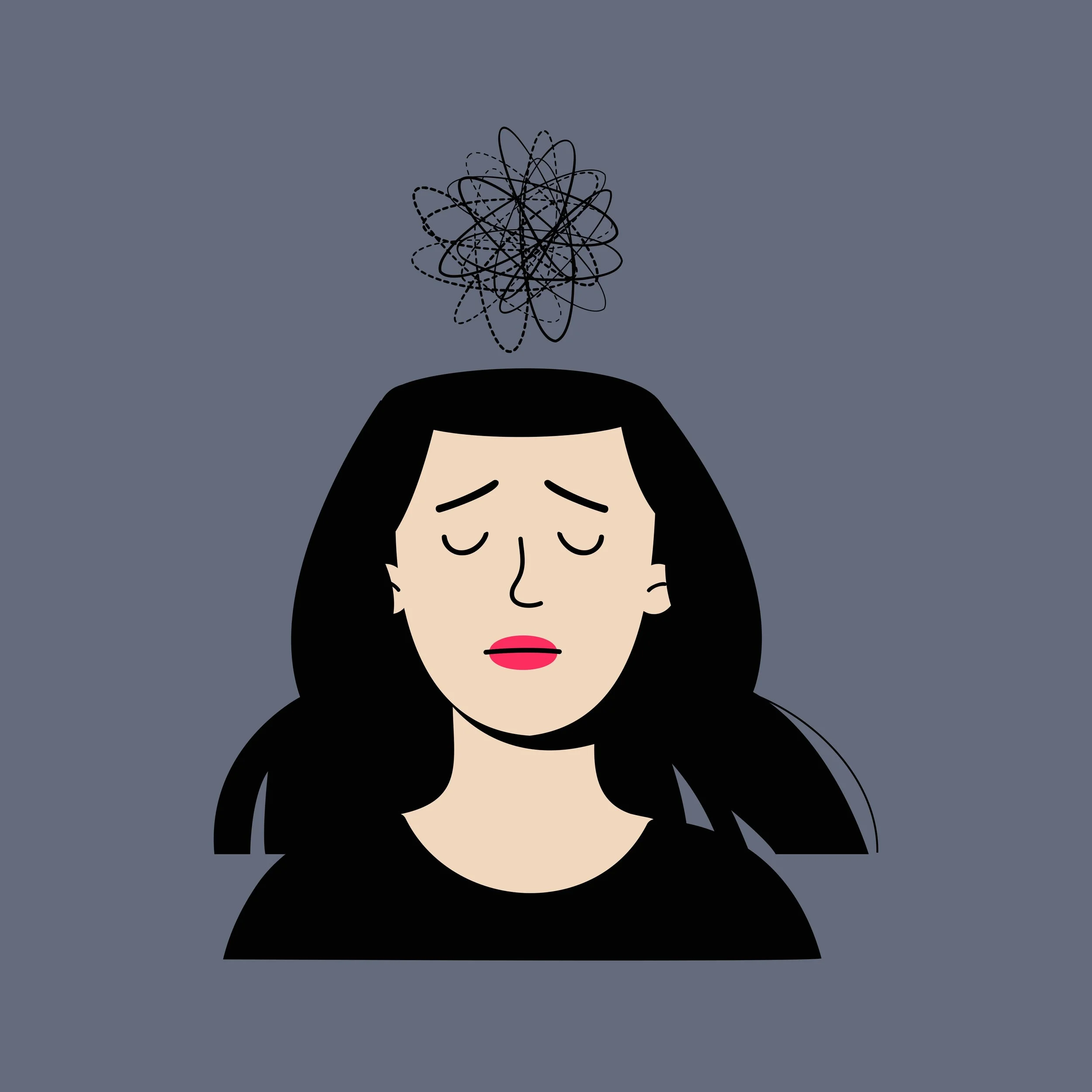
Anxiety can become so familiar that it starts to feel like your personality. You may think, “This is just how I am.” You may be used to planning ahead, reading the room, noticing small shifts in tone, or mentally rehearsing how to handle different scenarios. You may be good at preventing problems because your mind is constantly scanning for them.
That scanning can be useful in some situations. It can also keep your nervous system in a state of constant alert.
When your body is used to being on guard, rest can feel unfamiliar. Quiet can feel uncomfortable. A slow day can make you feel restless instead of relieved. This is why many high-functioning adults feel tired and wired at the same time.
Your body may want rest, while your mind keeps searching for the next thing to solve.
Why It Can Be Hard to Ask for Help
Many people who hold it all together struggle to seek therapy because they are used to minimizing their own distress.
You may tell yourself:
“Other people have it worse.”
“I should be able to handle this.”
“I’m probably overreacting.”
“I just need to get through this week.”
“Once things calm down, I’ll be fine.”
“I don’t even know what I would talk about.”
You may also worry that therapy will make things feel too real. Naming the anxiety, exhaustion, resentment, grief, or overwhelm may feel vulnerable, especially if you are used to being composed.
But therapy doesn’t require you to be in crisis. You do not have to wait until you are completely burned out to get support.
Therapy can be a place where you stop performing “fine” long enough to be honest about what is actually happening inside.
If this sounds familiar, therapy can help you stop carrying everything alone. I offer online therapy for adults in North Carolina, Kentucky, and Florida who look like they’re managing but feel anxious, overwhelmed, or emotionally exhausted inside.
How High-Functioning Anxiety Can Affect Relationships
High-functioning anxiety often shows up in relationships, even when it is not obvious at first.
You may be thoughtful and attentive. You may care deeply about the people in your life. You may be the person others rely on.
At the same time, you may struggle to express your needs directly. You may avoid conflict until resentment builds. You may say yes too quickly, then feel irritated later. You may replay interactions and wonder if you said the wrong thing.
You may also feel lonely, even when you are surrounded by people.
That loneliness can come from feeling unseen. If everyone knows you as the capable one, they may not realize how much effort it takes for you to keep showing up.
Therapy can help you begin to notice where you are overextending, where you are self-abandoning, and where your relationships may need more honesty, balance, and boundaries.
How High-Functioning Anxiety Can Affect Work
At work, high-functioning anxiety is often rewarded before it is recognized as a problem. You may be praised for being responsive, detail-oriented, prepared, flexible, and dependable. You may be the person who anticipates issues before they happen or quietly takes on extra work to keep things running smoothly. Those strengths are real.
But when anxiety is driving the bus, work can become a place where your nervous system rarely gets to stand down.
You may notice:
Difficulty turning work off mentally
Overpreparing for meetings
Checking and rechecking your work
Feeling crushed by small mistakes
Struggling to tolerate uncertainty
Taking feedback personally, even when it is neutral or constructive
Feeling guilty when you are not being productive
Measuring your worth by how useful or impressive you are
This can lead to burnout, even if you like your job or care about your work.
Therapy can help you separate your identity from your productivity and build a different relationship with achievement, responsibility, and rest.
When Past Experiences Shape Present Anxiety
Sometimes anxiety is connected to current stress. Sometimes it is also connected to old patterns learned earlier in life.
If you grew up around unpredictability, criticism, emotional intensity, high expectations, or pressure to be “good,” you may have learned to stay alert. You may have learned to monitor other people’s moods. You may have learned that mistakes had consequences, needs were inconvenient, or being easy was safer than being honest. These patterns can follow you into adulthood.
You may understand logically that you are safe now, but your body may still respond as if you need to prepare, perform, please, or protect yourself. This is one reason insight alone does not always create change.
You can understand your patterns and still feel stuck in them. You can know a fear is old and still feel it in your body. You can recognize that your reaction feels bigger than the situation and still struggle to respond differently in the moment. That does not mean you are failing. It may mean your nervous system needs more than logic.
How Therapy Can Help You Stop Holding Everything Alone
Therapy for high-functioning anxiety is not about turning you into someone careless, unmotivated, or detached. The goal is not to erase the parts of you that are thoughtful, capable, driven, or caring. The goal is to help you stop living in constant internal pressure.
In therapy, you may work on:
Understanding your anxiety patterns
Identifying what triggers overthinking or overfunctioning
Learning to recognize your body’s early signs of stress
Building healthier boundaries
Reducing people-pleasing
Practicing direct communication
Exploring perfectionism and fear of failure
Understanding how past experiences affect present reactions
Learning how to rest without guilt
Developing a more compassionate relationship with yourself
For some clients, therapy includes cognitive and behavioral strategies. For others, deeper trauma work may be important. Many people need both practical tools and space to process the experiences that shaped their current patterns.

Hi, I’m Amanda Parmley, MA, LCMHC, LPCC
I’m Amanda Parmley, a licensed therapist offering online counseling in North Carolina, Kentucky, and Florida. I help adults who feel anxious, emotionally exhausted, or stuck in old patterns begin to feel more grounded using evidence-based approaches including EMDR, trauma therapy, and anxiety therapy.
Ready to start counseling? Click the button below to get started in therapy with me:
Where EMDR Therapy May Fit
EMDR therapy can be helpful for people who feel stuck in patterns they already understand. You may know why you react a certain way. You may have insight into your childhood, relationships, fears, or coping strategies. You may be able to explain your anxiety clearly.
When a trigger happens, your body responds before your logical mind can catch up.
EMDR therapy is often used to help the brain and body process distressing experiences that may still feel emotionally charged. For high-functioning adults, this can be especially helpful when anxiety is connected to old experiences of shame, criticism, rejection, unpredictability, or feeling responsible for other people.
EMDR does not require you to have one single “big” trauma. Many people seek EMDR because they feel shaped by repeated experiences that taught them to stay small, stay prepared, stay pleasing, or stay on guard.
In therapy, EMDR may help reduce the emotional intensity connected to those old experiences so you can respond to current life with more flexibility and less fear.
You Do Not Have to Be Falling Apart to Benefit from Therapy
A lot of people wait to start therapy until they feel completely overwhelmed. This is understandable, especially if you are used to pushing through. But therapy can be helpful long before things reach a breaking point.
You might benefit from therapy if you are:
Functioning, but exhausted
Successful, but constantly anxious
Loved by others, but feeling unseen
Productive, but unable to rest
Self-aware, but still stuck
Good at helping others, but unsure how to care for yourself
Tired of saying “I’m fine” when you are not actually okay
You do not have to prove that your pain is serious enough. You do not have to justify why you need support. You do not have to keep waiting for life to calm down before you pay attention to yourself. Sometimes the work begins when you finally admit that holding it all together has been costing you more than people realize.
Online Therapy for High-Functioning Anxiety in North Carolina, Kentucky, and Florida
If you are a high-functioning adult who feels anxious, emotionally exhausted, or tired of holding everything together, online therapy can help you begin to understand and change the patterns that keep you stuck.
Therapy can give you a space to slow down, tell the truth, and build a different relationship with yourself. It can help you explore anxiety, perfectionism, people-pleasing, trauma, boundaries, and the pressure to always be okay.
I provide online therapy for adults in North Carolina, Kentucky, and Florida who are tired of looking “fine” while feeling anxious, overwhelmed, or emotionally exhausted inside. Therapy can help you understand the patterns that keep you bracing, build healthier boundaries, and begin feeling more grounded in your life and relationships.
Frequently Asked Questions
Is high-functioning anxiety a real diagnosis?
High-functioning anxiety is not a formal mental health diagnosis. It is a commonly used phrase that describes people who appear capable or successful on the outside while experiencing anxiety, overthinking, perfectionism, or emotional distress internally.
Can therapy help if I am still functioning well?
Yes. You do not have to be in crisis to benefit from therapy. Many people seek therapy because they are functioning well externally but feel anxious, overwhelmed, burned out, or disconnected internally.
What type of therapy helps with high-functioning anxiety?
Therapy for high-functioning anxiety may include anxiety therapy, trauma therapy, EMDR therapy, cognitive and behavioral strategies, nervous system regulation, boundary work, and support for perfectionism or people-pleasing patterns.
What if I do not know whether my anxiety is connected to trauma?
You do not have to know before starting therapy. Part of the work can involve exploring how your current anxiety developed, what keeps it going, and whether past experiences may still be affecting how you feel, think, and respond today.
Do you offer online therapy?
Yes. I offer online therapy for adults in North Carolina, Kentucky, and Florida. Online therapy can be a helpful option for people who want support from the privacy and comfort of their own space.

How to Start Therapy with Amanda Parmley, MA, LCMHC:
1. Click the “Schedule Free Consultation” button below to request a free 15-minute consultation.
2. Complete
the required screener
& take the phone call from Amanda Parmley at the prearranged & agreed-upon time.
3. Start your journey
to feeling better.
Additional Services Offered by Amanda Parmley, MA, LCMHC:
In addition to supporting anxiety and emotional exhaustion recovery, I specialize in:
Trauma and PTSD
Low self-esteem and perfectionism
Insomnia and stress-related sleep issues
Interested in attending therapy from the comfort of your own home?
I offer online therapy in Kentucky, North Carolina, and Florida